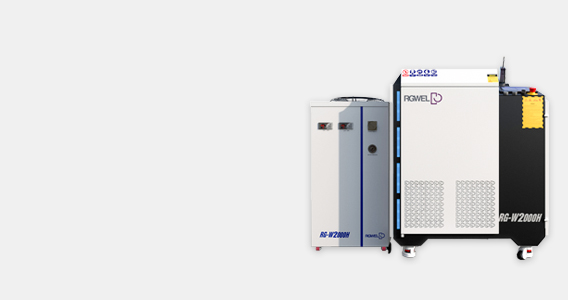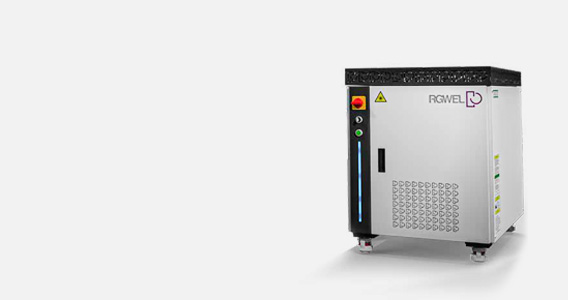







How Does Laser Welding Differ from Conventional Welding?
| Criterion | Conventional Welding | Laser Welding |
|---|---|---|
| Heat applied to the material | Very high | Low |
| Material deformation (%) | 90% | 5% |
| Weld strength | Low | High |
| Post-weld finishing | Grinding, polishing, buffing | None or ~10% grinding |
| Welding speed | 10% | 90% (up to 8× faster) |
| Ease of use | Complex; requires high skill | Simple; lower skill requirement |
| Consumable cost | High | Low |
| Operator safety | Not ensured | High |
| Weld bead width | Fixed | Adjustable 0.8 mm–5 mm |
| Wire feed | Required | Optional (with or without wire) |
| Penetration | Fixed | Adjustable 0–8 mm |
| Energy consumption | High | Low |
| Environmental impact | Causes pollution | Eco-friendly |
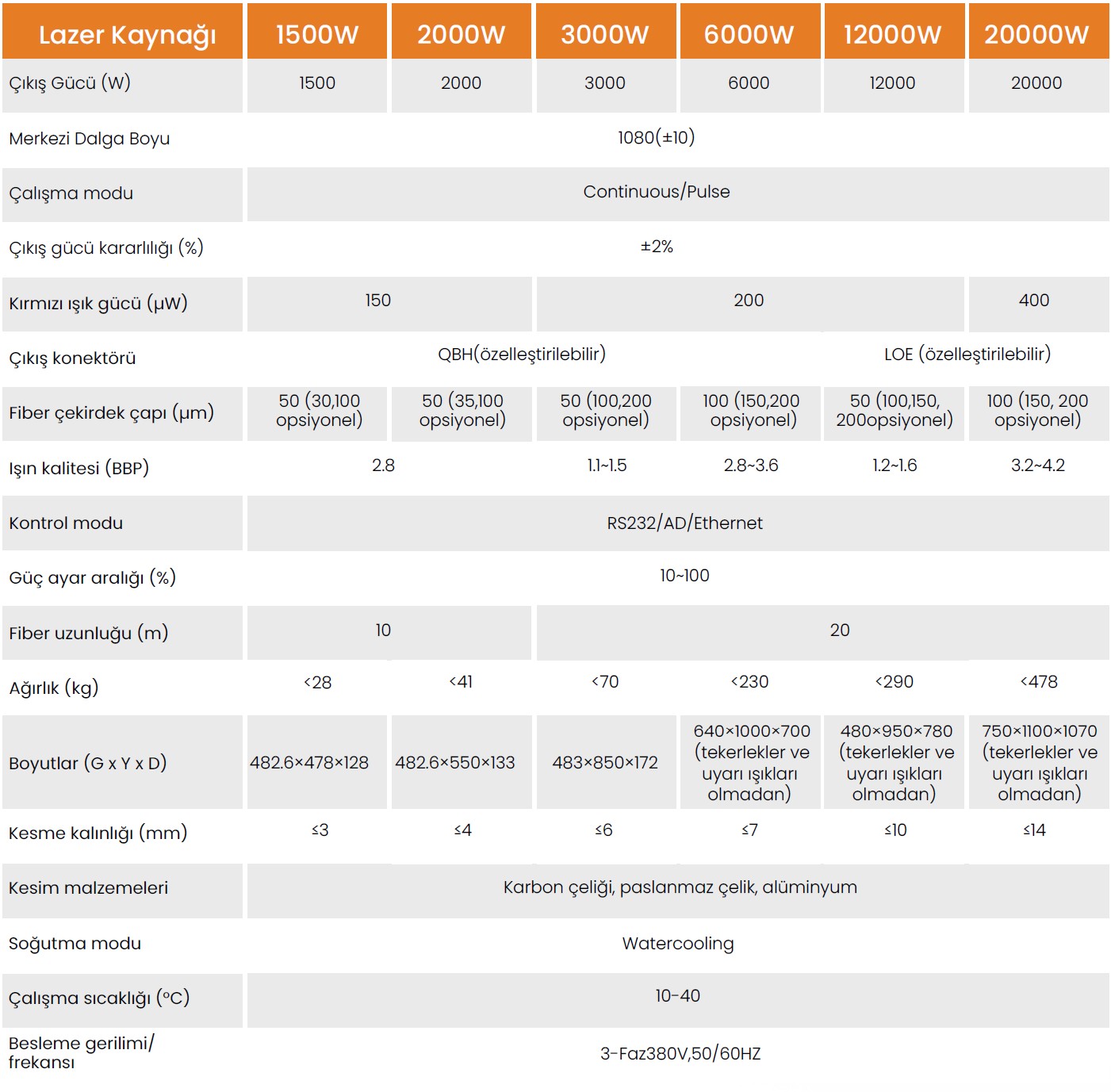
Technical Parameters
Value Added by the Product
-
Full automation: Minimizes human error and raises production standards.
-
Precision: ±0.02 mm tolerance for industries requiring high quality.
-
Efficiency: Up to 40% cycle-time reduction versus conventional methods.
-
Flexibility: Rapid adaptation to different part types.
-
Integrated safety: Guarding and sensors for safe operation. Rgwell
Key Technical Features
-
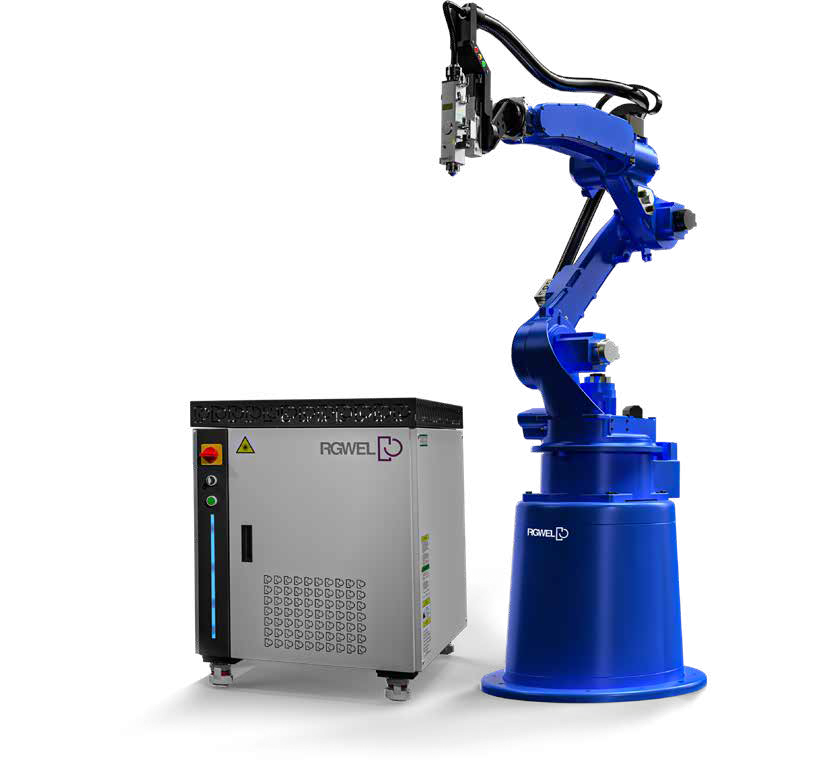
Laser power: 1500 W fiber laser module
-
Robot arm: 6 axes, 1700 mm reach
-
Repeatability: ±0.02 mm
-
Welding capacity: Up to 6 mm in stainless steel and 4 mm in aluminum in a single pass
-
Programming: Offline software with 3D weld path planning
-
Cooling: Integrated industrial water-cooling system
-
Duty cycle: 24/7 continuous production
-
Warranty: 2 years, including on-site installation and training Rgwell
Industrial Applications & Case Studies
-
Automotive & Tier-1: Chassis parts, exhaust systems, body assemblies
-
White goods: Stainless bodies, panels, tube joints
-
Defense & Aerospace: Precision structural components, tight-tolerance parts
-
Industrial kitchen & furniture: Decorative and hygienic welds
Comparative Analysis – Rgwel vs. Global Competitors
| Feature | RG-W1500A (A Series) | Global Competitors (General) |
|---|---|---|
| Laser power | 1500 W fiber laser | 1000–1500 W fiber laser |
| Repeatability | ±0.02 mm | ±0.05 mm |
| Robotic reach | 1700 mm, 6-axis | 1500–1700 mm, 6-axis |
| Welding capacity | Stainless: 6 mm / Aluminum: 4 mm | Stainless: 5 mm / Aluminum: 3 mm |
| Programming | Offline + 3D path planning | Offline (some models) |
| Service response | 48 hours within Türkiye | 7–21 days (overseas service) |
| Warranty | 2 years, on-site training included | 1 year, limited support |
Buying Guide – Handheld Fiber Laser Welding Machine
Recommended for:
-
High-volume, continuous production facilities
-
Industries with very low defect tolerance
-
Manufacturers processing varied part types
-
Plants with industrial automation infrastructure Rgwell
Want to discover the optimal laser welding solution for your industry?
Request a free demo—our technical consultants will call you right away!
How can we help?
For questions or quote requests, you can reach us via the contact form or call our number for the fastest support.
Turkey’s Leading Laser Technology and Machine Manufacturer – Rgwel
Rgwel offers high-precision, energy-efficient, and long-lasting solutions in laser welding, laser cutting, laser marking, laser cleaning, and robotic laser systems.
Discover the most suitable laser machine for your needs from the categories below.